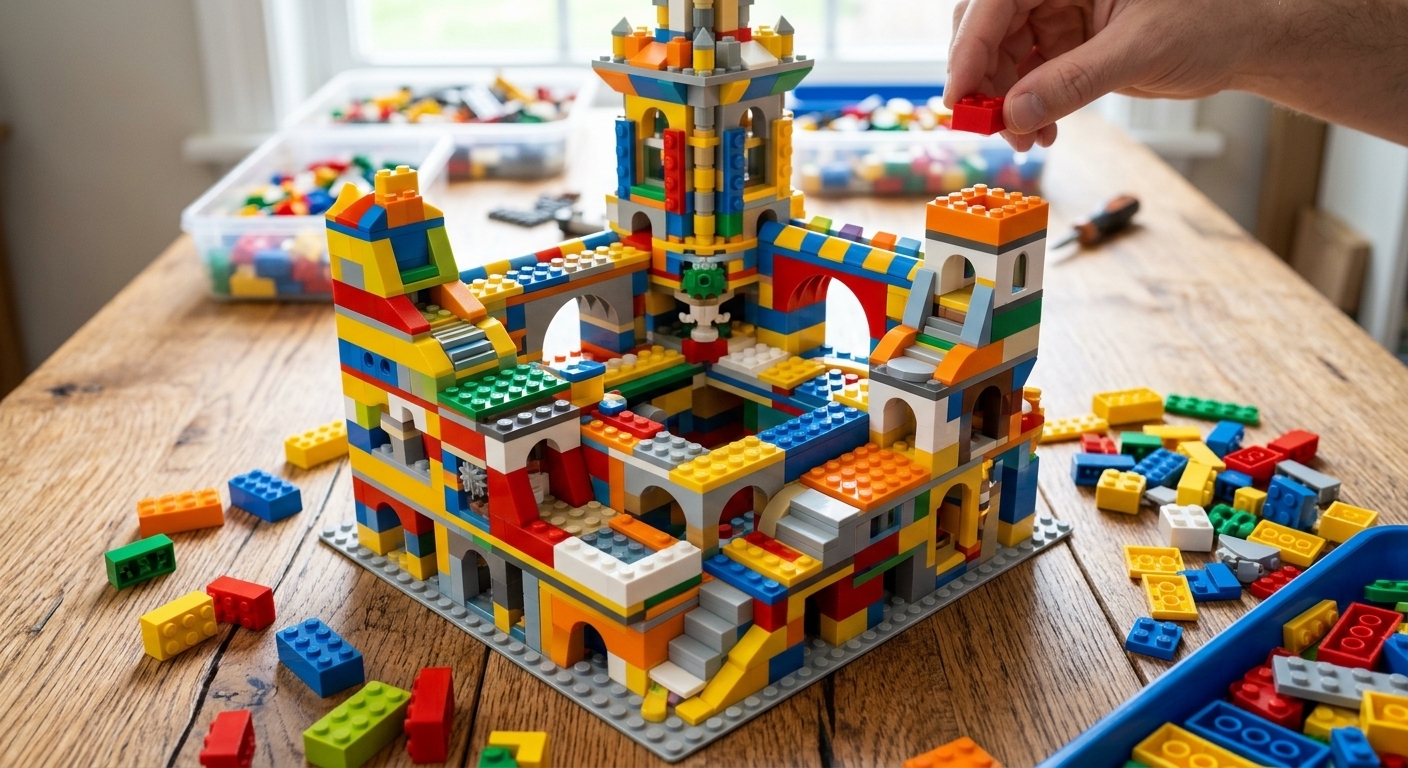
From Development to Data Analysis
I started by building systems people could rely on. Now I am learning to ask what those systems can teach us.
01 / THE JOURNEY
A change in the question
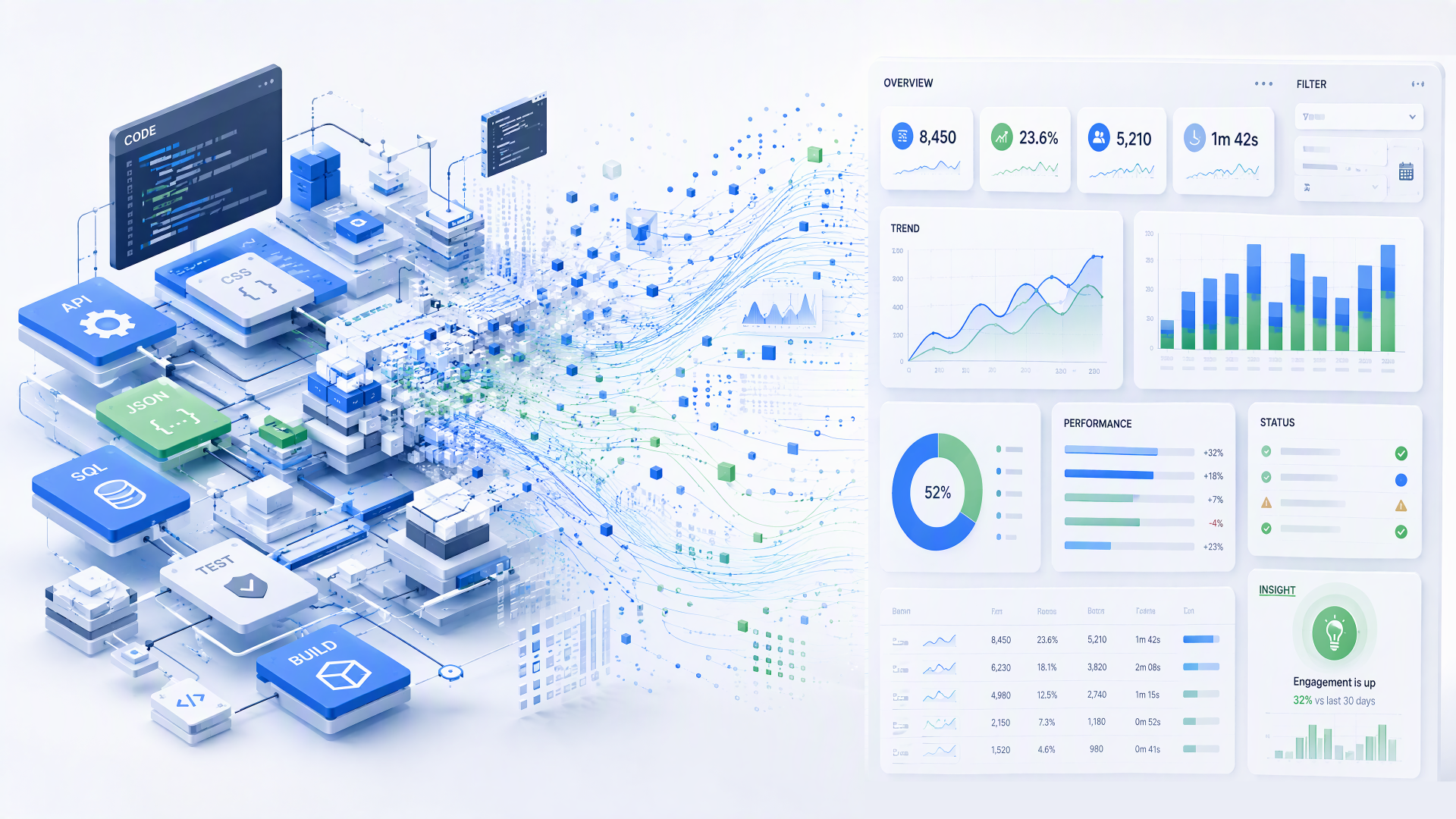
Software development taught me to think about how things work: how a feature should behave, how data should move through a system, and how small decisions can affect the experience of the person using it. Data analysis began with a different question. Instead of asking only whether a system works, I started asking what its data was trying to tell me.

02 / THE JOURNEY
The skills that came with me
The move was not a complete reset. Working with software had already taught me to be precise, to understand relationships between parts, and to be suspicious of assumptions that had not been tested. Those habits became useful when I began cleaning datasets, checking definitions, and tracing an unexpected result back to its source.
03 / THE JOURNEY
Learning to stay with the messy part
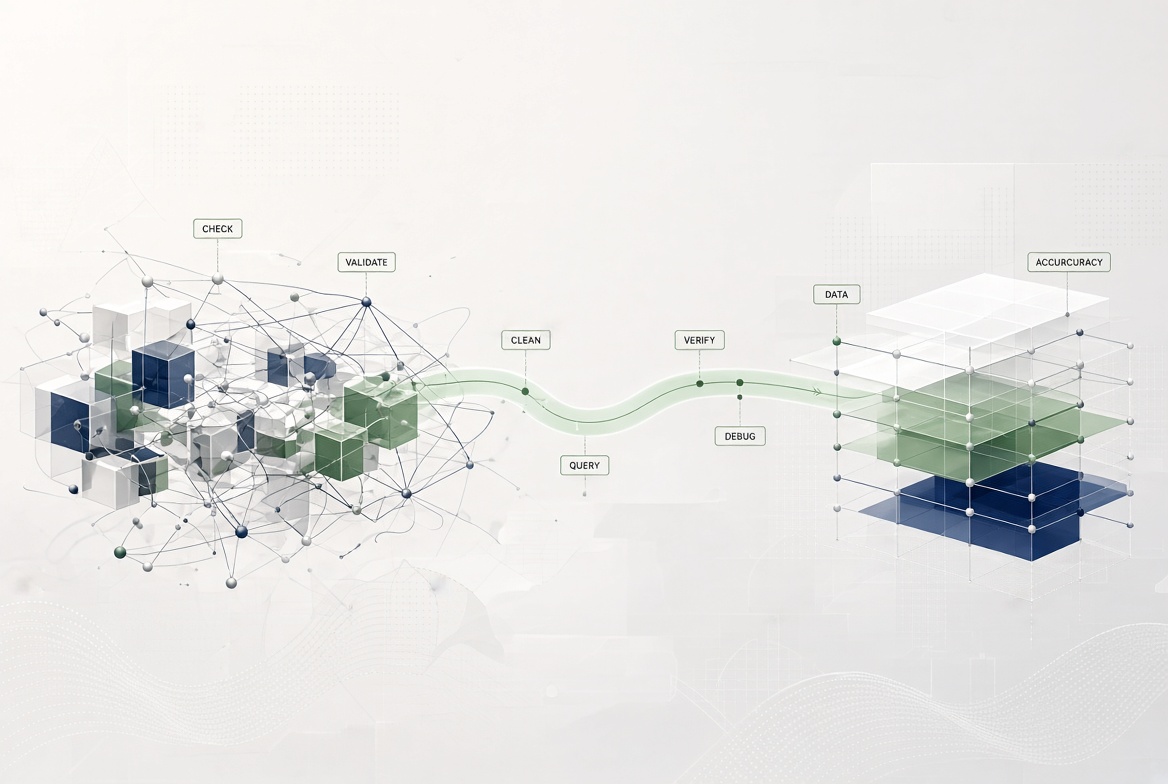
The most valuable work often happens before a chart is made. It happens while deciding what a row represents, finding duplicated records, resolving inconsistent categories, and checking whether a pattern is real. Analysis has made me more comfortable with that uncertainty. The goal is not to make the data look impressive; it is to make the conclusion dependable.
04 / LOOKING AHEAD
Building and understanding belong together
The more I learn about analysis, the more connected it feels to development. Reliable software creates better conditions for reliable data, and useful analysis can reveal where a product or process needs to improve. I am interested in the space between those two practices: making things work, then learning how to make them more useful.